

Adani pivots to local funding as global markets turn volatile
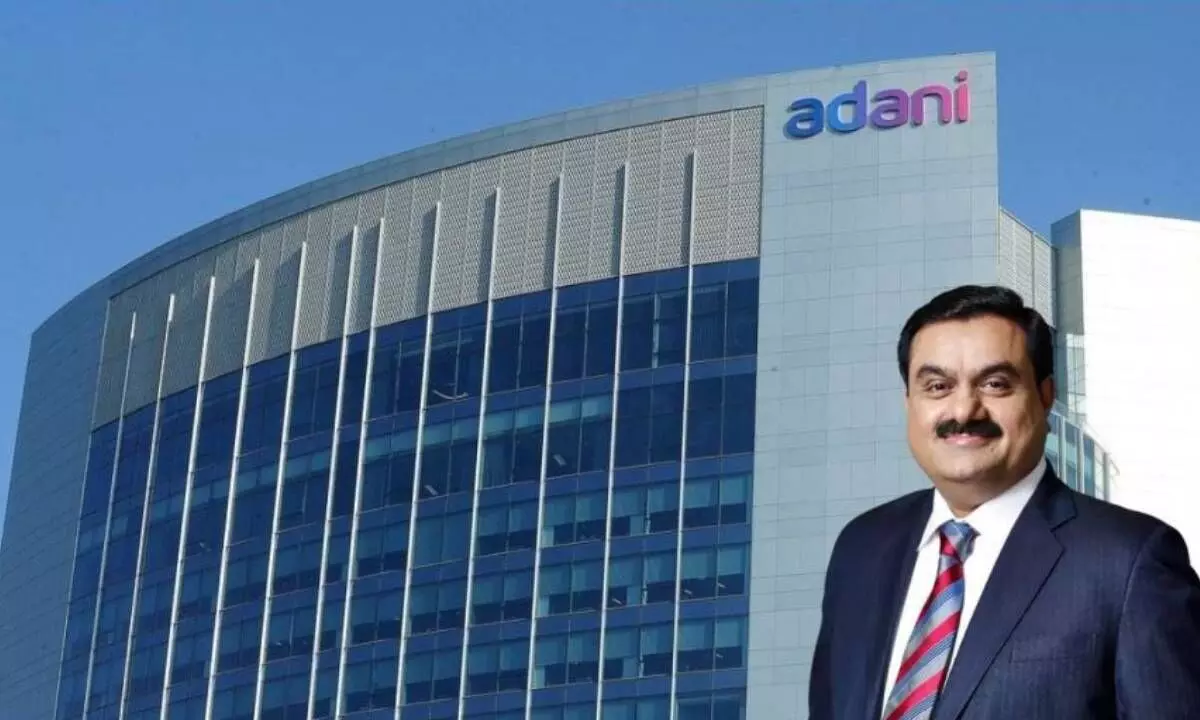
image for illustrative purpose
Mumbai: Adani Group is recalibrating its capital strategy, shifting toward domestic borrowing and bespoke private funding deals as global market volatility and rising costs weigh on dollar bond issuances.
A group entity recently raised about $500 million through a privately placed bond with funds managed by Apollo Global Management. The 15-year bonds, used to refinance existing dollar debt, carry a rupee-equivalent cost of about 8.5 per cent.
The move comes amid elevated costs in global debt markets, a weakening rupee, and lingering legal overhang from the US. The conglomerate is increasingly leaning on domestic liquidity and diversifying its lender base to include Japanese and other Asian institutions.
Ajay Manglunia, MD & Head–Fixed Income at InCred Capital Financial Services, said local borrowing currently offers a cost advantage on a fully hedged basis. “Diversifying funding sources helps in periods of uncertainty, especially when global investors turn risk-averse,” he noted.
Indian issuers have broadly slowed dollar bond sales as currency depreciation has made overseas borrowings more expensive. Against this backdrop, Adani plans to avoid public dollar bonds until market conditions improve and legal uncertainties ease.
Separately, Adani Energy Solutions secured a $750 million loan led by Japanese banks at a spread of about 200 basis points over the Secured Overnight Financing Rate. The proceeds will fund a high-voltage transmission project linking renewable energy generation in Rajasthan to demand centres.
The group aims to raise up to $10 billion in local funding over the next three years. Domestic banks and institutions now account for nearly half of its total debt, reflecting a significant shift in its funding mix.
Recent issuances indicate strong investor appetite. The group’s public rupee bond was fully subscribed within an hour in January, while Adani Power raised Rs 75 billion in its largest local bond sale. With an ambitious capital expenditure pipeline of up to $100 billion over five years, the sustainability of this funding strategy will be closely watched.





